
What Does a Sports Performance Psychologist Do? (And Do You Actually Need One?)
By Sean Dickson
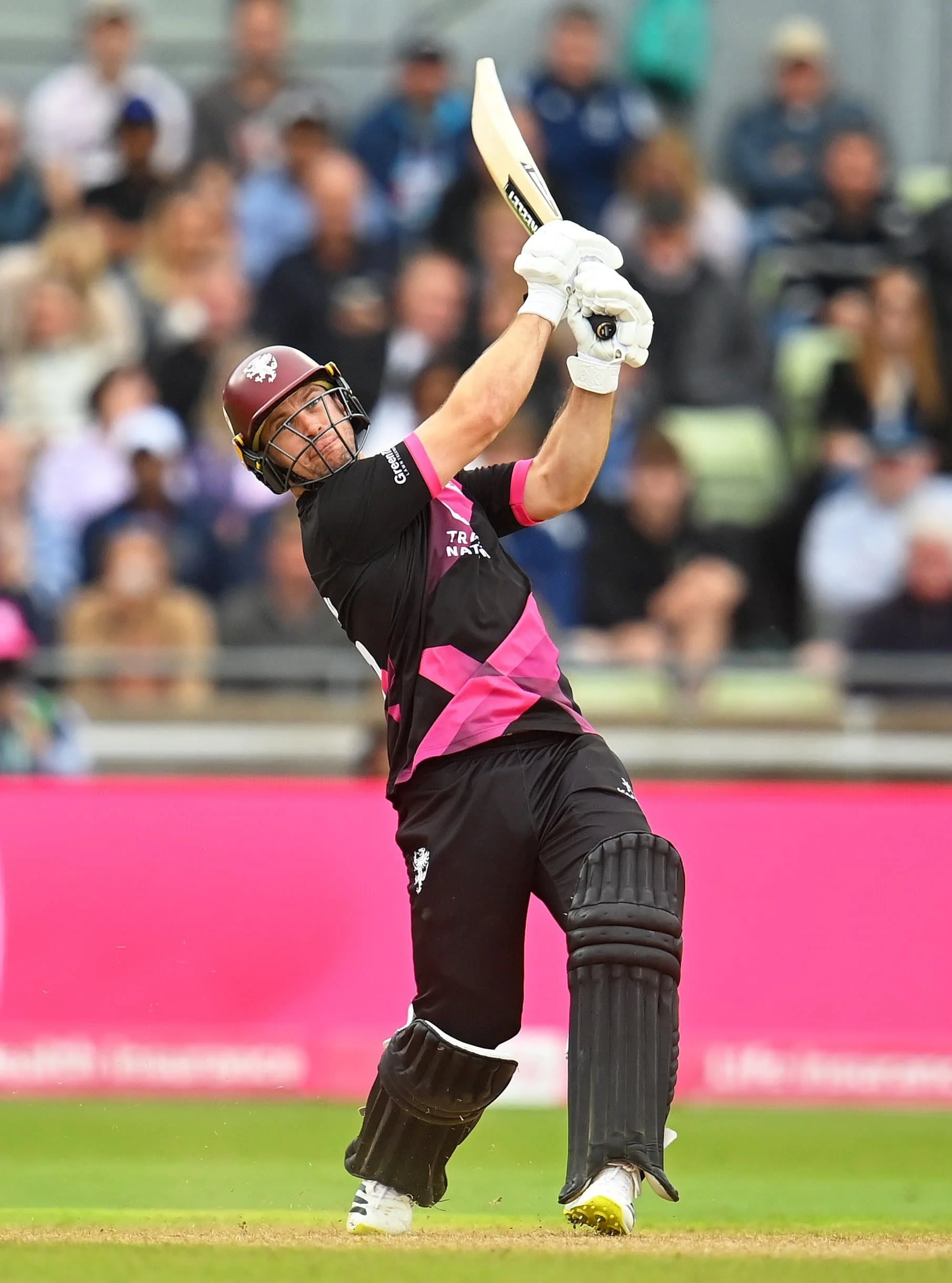
You put in the hours. You drill the techniques until they are second nature. You dial in your fitness and nutrition. Physically, you are as ready as you can possibly be.
Then match day rolls around. The pressure spikes, the crowd gets loud, and suddenly, you freeze up.
It happens to everybody. Winning in sport is never just about physical talent. If you cannot control your focus, handle your nerves, or bounce back from a bad mistake, all that physical prep does not count for much. That is where a sports performance psychologist steps in. Through SD Performance Psychology, founded by former professional cricketer Sean Dickson, athletes learn how to train their minds just as hard as their bodies to unlock their true potential.
What Is a Sports Performance Psychologist?
Forget what you see in movies with a therapist holding a notepad. A sports performance psychologist acts more like a strength coach for your head.
My job at SD Performance Psychology isn't about digging through personal issues. It is about building up your mental toolkit. That means helping you lock in your concentration, handle high-pressure moments without choking, and set up routines so your best performances happen on purpose.
What Does a Sports Performance Psychologist Actually Do?
Every athlete deals with different roadblocks, so the work is always shaped around you. Usually, though, we focus on a few practical areas:
Building Real Confidence: It is dead easy to doubt yourself after a bad run of form or an injury. We work on building a foundation of confidence that doesn't shatter the second you make a mistake.
Handling the Nerves: Being nervous before a big event is completely normal. The trick isn't trying to magically get rid of your anxiety—it is learning how to channel that adrenaline so it powers you instead of slowing you down.
Sharpening Your Focus: When a referee makes a terrible call or the game gets tight, it is easy to lose your head. We drill specific techniques to keep you anchored right where you are.
Bouncing Back: Setbacks happen to everyone. What separates good competitors from great ones is how fast they recover from a bad play or a tough loss.
Setting Better Goals: We skip vague ideas like "I want to win" and focus on process goals that keep you driven during brutal training weeks.
Pre-Game Routines: Top athletes do not just wing their warm-ups. We design mental checklists to get your head in the zone before you even step onto the pitch.
Injury Recovery: Getting sidelined messes with your head just as much as your body. Psychological support helps keep you motivated and builds trust back in your body before you return.
Who Can Benefit from Sport Psychology Services?
There is a huge myth that sport psychology services are only for Olympians or pros. That just isn't true. If you play a sport and want to get better at it, training your mind helps.
This kind of coaching is useful for:
Young athletes trying to build their baseline confidence.
Amateurs who want to stop choking in weekend matches.
Uni students trying to balance heavy coursework and athletics.
Semi-pros looking to break through to the next tier.
Professionals dealing with constant public pressure.
Anyone trying to get back into their sport after a long injury layout.
Signs You Might Need Mental Training
You don't need to hit rock bottom to start taking your mindset seriously. You might want to reach out if you notice that you:
Look brilliant in training but fall apart on match day.
Let one tiny mistake ruin the rest of your game.
Feel physically sick or overwhelmed by pressure before competing.
Overthink every single movement you make.
Feel like your own head is the main thing holding you back.
Noticing those habits isn't a weakness. It is just spotting a gap in your training.
What Happens During a Session?
People usually expect a session to involve a lot of deep, heavy talking. It doesn't.
In our first chat, we look at where you are at: your goals, your current roadblocks, and how you react when things get tough. From there, it is all about practical strategies. We don't just chat about the issues—we build systems to fix them. You walk away with tools like visualization tricks, focus triggers, and stress-management habits you can use in your very next practice.
Why Mental Training Matters
You wouldn't think twice about hiring a skills coach, buying better kit, or sorting out a proper diet. So why ignore your brain?
Confidence, resilience, and focus aren't traits you are either born with or miss out on completely. They are skills. And just like speed or endurance, you can train them through regular practice. Working with a professional helps you build those skills properly.
Why Choose SD Performance Psychology?
At SD Performance Psychology, Sean Dickson combines a background playing professional cricket with the actual science of psychology. Knowing what it feels like out there under the lights when expectations are high allows me to give you the practical tools you need to stop leaving your performance to chance.
Ready to Perform at Your Best?
Every athlete has untapped potential, but your biggest breakthrough usually doesn't come from pushing your body harder—it comes from thinking differently.
If you are looking for professional sport psychology services built around your exact goals, let's get to work. Reach out to SD Performance Psychology today, and let's start building the mental skills you need to compete with real confidence.